Welcome! This guide swiftly introduces NX stamping‚ covering sheet metal design‚ progressive die workflows‚ and electrode design. Explore automated processes and advanced features for efficient part manufacturing.
NX Stamping represents a powerful suite within the NX platform‚ specifically tailored for the intricate demands of sheet metal component design and progressive die creation. It’s a comprehensive solution‚ bridging the gap between initial concept and finalized manufacturing data. This module isn’t merely about modeling; it’s about simulating the entire stamping process‚ ensuring feasibility and optimizing production efficiency.
The core strength of NX Stamping lies in its ability to handle complex geometries and intricate forming operations. It facilitates the creation of accurate sheet metal parts‚ incorporating features like flanges‚ bends‚ and reliefs with precision. Furthermore‚ it streamlines the design of progressive dies‚ encompassing die face design‚ structural validation‚ and electrode design – all within a unified environment.
For automotive and other industries relying heavily on stamped components‚ NX provides a high-productivity pathway. The software’s capabilities extend to automated workflows‚ reducing manual intervention and accelerating design cycles. Understanding NX Stamping is crucial for engineers aiming to leverage cutting-edge technology in sheet metal manufacturing‚ ultimately leading to reduced costs and improved product quality.
Understanding the NX Interface for Stamping
Navigating the NX interface for stamping requires familiarity with specific toolbars and panels. The Sheet Metal application within NX provides dedicated tools for creating and modifying sheet metal parts. Key areas include the ‘Sheet Metal’ tab‚ offering commands for flanges‚ bends‚ and flat pattern creation. The ‘Die Design’ workbench houses tools for die face modeling‚ strip layout‚ and progressive die assembly.
The NX ribbon interface organizes commands logically‚ minimizing clutter and maximizing accessibility. Contextual tabs appear based on the active operation‚ presenting relevant tools. The ‘Model Explorer’ allows for efficient management of features and geometry‚ while the ‘Specification Tree’ provides a hierarchical view of the design process. Understanding these elements is vital.
Customization is a significant strength. Users can tailor the interface to their workflow‚ adding frequently used commands to quick access toolbars. Furthermore‚ NX supports plugins‚ extending functionality and integrating with other manufacturing systems. Mastering the interface unlocks the full potential of NX Stamping‚ enabling efficient and accurate design execution.

Setting Up a New NX Stamping Project
Initiating a new NX Stamping project demands careful setup for optimal workflow. Begin by creating a new part file within the NX environment‚ specifically selecting the ‘Sheet Metal’ template. This pre-configures the necessary parameters and units for sheet metal design. Define material properties accurately‚ specifying thickness‚ density‚ and yield strength – crucial for simulation and analysis later on.
Establish project folders to maintain organized data management. Separate folders for CAD data‚ die design components‚ and manufacturing outputs are recommended. Define naming conventions for files and features to ensure clarity and traceability. Consider utilizing NX’s Teamcenter integration for robust product lifecycle management (PLM) capabilities.
Before commencing design‚ define the base datum plane and coordinate system. This establishes a consistent reference frame for all subsequent operations. Properly configuring these initial settings streamlines the design process‚ minimizes errors‚ and facilitates collaboration within a team environment. A well-structured project foundation is paramount for success.

Importing Existing CAD Data
Seamlessly integrating pre-existing CAD models into NX Stamping is often necessary. NX supports a wide array of standard file formats‚ including STEP‚ IGES‚ and Parasolid‚ facilitating data exchange from various sources. When importing‚ carefully review the model’s geometry for potential issues like gaps‚ overlaps‚ or inconsistent surface normals. These imperfections can hinder downstream stamping operations.
Utilize NX’s robust healing tools to automatically repair minor geometric errors; For complex models‚ manual intervention may be required to ensure a clean and accurate representation. After import‚ verify the material assignment and ensure it aligns with the intended sheet metal material. Adjust the material properties if necessary.

Consider simplifying the imported geometry by suppressing unnecessary features or details. This reduces computational load and improves performance during stamping simulations. Finally‚ establish appropriate datum planes and coordinate systems relative to the imported model to maintain design consistency and facilitate feature creation within NX Stamping.
Basic Stamping Operations
NX Stamping provides a comprehensive suite of tools for simulating fundamental stamping processes. Begin by defining the material properties‚ including yield strength‚ tensile strength‚ and work hardening characteristics‚ crucial for accurate simulation results. Next‚ specify the stamping process parameters‚ such as drawing force‚ blank holder force‚ and die radius.
NX allows you to define various stamping operations‚ including blanking‚ piercing‚ bending‚ and drawing. Each operation requires specific tooling definitions‚ such as punch and die geometries. Utilize NX’s tooling library or create custom tooling based on your requirements. The software automatically calculates material flow and predicts potential defects like wrinkling‚ tearing‚ and springback.
Visualize the simulation results using color-coded contour plots that display stress‚ strain‚ and thickness distribution; Analyze these results to identify areas prone to failure and optimize the stamping process accordingly. Iteratively refine the process parameters and tooling design to achieve a robust and reliable stamping operation.
Creating Sheet Metal Parts
NX streamlines sheet metal part creation through dedicated tools and workflows. Initiate by selecting the appropriate sheet metal template‚ defining material thickness and properties – vital for accurate simulations. Leverage sketching tools to define the part’s basic geometry‚ utilizing constraints to ensure design intent. NX supports importing 2D sketches or existing 3D models as a starting point.
The core of sheet metal design lies in features like flanges‚ bends‚ and hems. NX provides intuitive controls for creating these features‚ specifying bend radius‚ angle‚ and relief types. Utilize the automatic feature recognition to quickly convert solid models into sheet metal parts‚ accelerating the design process. Explore options for creating custom flanges and bends to meet specific design requirements.
NX’s robust feature tree allows for easy modification and iteration of the sheet metal part. Experiment with different design parameters and instantly visualize the changes. Ensure proper draft angles and avoid sharp corners to facilitate manufacturability. Regularly check for potential interference issues and address them proactively.
Adding Flanges and Bends
NX excels in adding flanges and bends to sheet metal parts‚ crucial for creating complex geometries. Begin by selecting edges to which flanges will be added‚ specifying flange length‚ thickness‚ and draft angle. NX offers various flange types – standard‚ offset‚ and wrap – catering to diverse design needs. Precise control over bend radii is essential; NX allows defining custom radii or utilizing pre-defined values.
Bends are created by selecting edges and defining the bend angle. NX automatically calculates the bend region and suggests appropriate relief types to prevent material distortion during forming. Explore options for creating multiple bends simultaneously‚ streamlining the design process. Utilize the bend table editor to customize bend allowances based on material properties and manufacturing processes.
NX’s interactive features allow for real-time visualization of flanges and bends‚ ensuring accurate design intent. Adjust parameters dynamically and observe the impact on the part’s geometry. Consider utilizing corner treatments like hem and roll to enhance strength and aesthetics. Regularly validate the design for manufacturability‚ avoiding excessive bend angles or tight radii.
Creating Flat Patterns
NX simplifies the creation of accurate flat patterns from complex sheet metal designs‚ essential for manufacturing. Initiate the flat pattern creation process by selecting the desired face or body. NX automatically identifies bends and calculates the necessary compensation to unfold the part into a 2D layout. Several flattening methods are available‚ including simple‚ incremental‚ and advanced‚ each suited for different geometries.
Customize the flat pattern by adjusting parameters like bend table settings and relief options. NX offers tools to control the placement and shape of reliefs‚ minimizing material distortion during the unfolding process. Optimize the layout for efficient material utilization‚ minimizing waste and reducing manufacturing costs. Consider adding tooling holes or other features directly onto the flat pattern.
NX’s interactive features allow for real-time visualization of the flat pattern‚ ensuring accuracy and manufacturability. Verify the pattern for any potential issues‚ such as overlaps or gaps. Export the flat pattern in various formats‚ including DXF and STEP‚ for use in downstream applications like laser cutting or CNC punching.
Working with Reliefs and Walls
NX provides robust tools for creating and managing reliefs and walls in sheet metal designs‚ crucial for preventing material interference during forming operations. Reliefs are strategically placed cutouts that accommodate material expansion or contraction‚ while walls provide support and rigidity to the part. Define relief types – round‚ rectangular‚ or custom – based on the specific forming requirements.
Precisely control relief dimensions‚ including width‚ depth‚ and corner radius‚ to optimize material flow and minimize stress concentrations. Utilize NX’s automatic relief creation features‚ which intelligently suggest optimal placement based on bend geometry and material properties. Walls can be created by extending sheet metal faces or by adding separate features.
Customize wall thickness and draft angles to ensure proper forming and ejection. NX allows for seamless integration of reliefs and walls into the overall sheet metal model‚ maintaining design intent and manufacturability. Validate the design by simulating the forming process to identify potential issues and refine relief and wall parameters accordingly;
NX Progressive Die Design Workflow
NX streamlines progressive die design with a comprehensive workflow encompassing planning‚ die face design‚ feasibility analysis‚ structure design‚ and validation. Begin by importing the 3D CAD model of the stamped part and defining the strip layout‚ optimizing material utilization and minimizing waste. NX facilitates the creation of the die face‚ incorporating features like punches‚ dies‚ and guides.
Perform feasibility studies to identify potential forming issues‚ such as excessive material thinning or wrinkling. Utilize NX’s simulation capabilities to predict material behavior and optimize die geometry. Design the die structure‚ including base plates‚ guide pillars‚ and clamping systems‚ ensuring rigidity and stability. Validate the entire die assembly using finite element analysis (FEA) to assess stress distribution and identify potential failure points.
NX’s integrated environment allows for seamless collaboration between designers and manufacturing engineers‚ accelerating the die development process and reducing time-to-market. Leverage automated features to generate toolpaths for machining die components‚ further enhancing efficiency.
Die Face Design and Feasibility
NX excels in die face design‚ enabling the creation of complex geometries for punches and dies. Begin by defining the part’s geometry and material properties‚ then utilize NX’s tools to generate the required tooling features. This includes creating punch shapes‚ die openings‚ and guiding elements‚ ensuring accurate material flow during stamping.
Feasibility analysis is crucial to prevent manufacturing issues. NX provides simulation capabilities to predict material behavior during forming‚ identifying potential problems like wrinkling‚ tearing‚ or excessive thinning. Analyze draw depth‚ material springback‚ and stress distribution to optimize die geometry and process parameters.
NX allows for quick iterations and design modifications based on simulation results. Refine the die face to ensure robust and reliable stamping performance. Consider factors like lubrication‚ ejection mechanisms‚ and material handling to create a complete and functional die face design. Validate the design through virtual prototyping before physical manufacturing.
Structure Design and Validation
Following die face design‚ NX facilitates the creation of the die structure – the supporting framework that houses and guides the tooling. This involves designing the upper and lower die shoes‚ guide posts‚ springs‚ and other essential components. NX’s parametric modeling capabilities allow for easy adjustments and modifications as needed.
Structural validation is paramount to ensure the die can withstand the immense forces generated during stamping. Utilize NX’s finite element analysis (FEA) tools to simulate the die’s behavior under load. Analyze stress distribution‚ deflection‚ and potential failure points. Optimize the structure’s geometry and material selection to enhance its strength and durability.
NX allows for comprehensive interference checking to prevent collisions between die components during operation. Validate the assembly’s kinematics to ensure smooth and accurate movement. Refine the structure based on simulation results‚ creating a robust and reliable die structure capable of withstanding repeated stamping cycles.
Utilizing NX Electrode Design
NX Electrode Design streamlines the creation of electrodes used in Electrical Discharge Machining (EDM) – a crucial process for manufacturing complex die features. This module integrates seamlessly with the die design environment‚ leveraging existing geometry to automatically generate electrode models.
The software incorporates industry best practices‚ guiding users through a step-by-step approach to electrode design. Define electrode materials‚ dimensions‚ and machining parameters. NX intelligently calculates electrode offsets and compensation to ensure accurate feature replication on the die components.
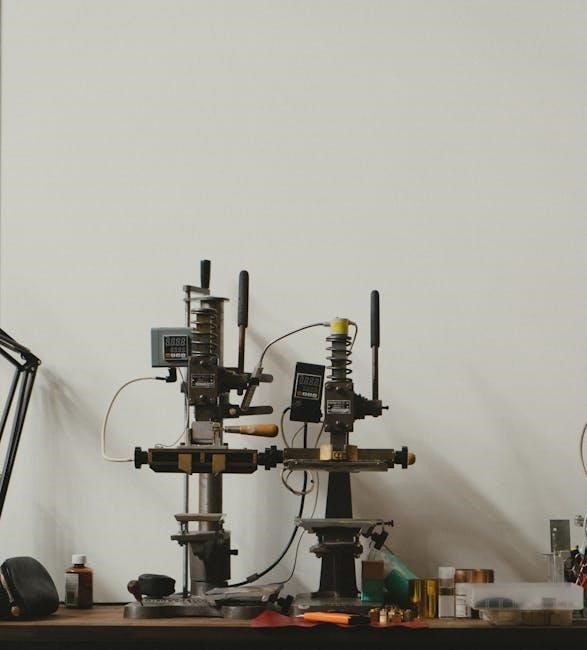
Automated features minimize manual effort and reduce the risk of errors. Generate electrode holders and mounting features for secure positioning during EDM. Validate electrode geometry for manufacturability and collision avoidance. NX Electrode Design significantly accelerates the electrode creation process‚ improving overall die manufacturing efficiency and reducing lead times.
Automated Workflows in NX Stamping
NX Stamping excels in automating repetitive tasks‚ significantly boosting productivity in die design and manufacturing. Automated workflows begin with data import‚ intelligently recognizing and converting CAD data into sheet metal features. The software then automates the creation of flat patterns‚ minimizing manual unfolding and reducing errors.

Progressive die design benefits from automated strip layout generation‚ optimizing material utilization and minimizing waste. Automated feature recognition identifies common stamping operations‚ such as punches‚ bends‚ and draws‚ accelerating the design process. NX also automates the creation of manufacturing data‚ including NC code for CNC machines.
These automated processes reduce design cycle times‚ improve accuracy‚ and enable faster time-to-market. By minimizing manual intervention‚ engineers can focus on optimizing designs and resolving complex challenges‚ ultimately leading to higher quality stamping dies and more efficient production.
Advanced Sheet Metal Features
NX Stamping provides a robust suite of advanced sheet metal features extending beyond basic operations. These include sophisticated relief design tools‚ enabling the creation of complex shapes and geometries for optimal material flow during forming. Advanced wall features allow for precise control over material thickness and stiffness‚ crucial for structural integrity.
The software supports advanced bend functionalities‚ including multi-bend operations and custom bend tables for accurate representation of material behavior. NX excels in handling complex geometries through advanced lofting and sweeping capabilities applied to sheet metal bodies. Furthermore‚ it offers robust tools for managing and manipulating sheet metal features‚ including feature suppression and regeneration.
These advanced features empower designers to create intricate and high-performance sheet metal parts‚ optimizing designs for manufacturability and performance. They facilitate the creation of complex automotive components and other demanding applications.
In-Process Workpiece Management
NX offers a powerful “In-Process Workpiece” option‚ a highly useful feature for managing complex stamping simulations and progressive die design. This capability allows designers to accurately track material flow and deformation throughout the entire stamping process‚ from initial blanking to final forming.
It facilitates real-time monitoring of material thickness‚ strain‚ and stress distribution‚ enabling early detection of potential defects like wrinkling‚ tearing‚ or springback. This proactive approach minimizes costly rework and ensures the production of high-quality stamped parts. The system allows for dynamic adjustments to the process parameters‚ optimizing the stamping sequence for improved efficiency.
By simulating the entire manufacturing process‚ designers can validate die designs and identify potential issues before physical prototyping. This significantly reduces lead times and development costs‚ streamlining the overall stamping workflow and enhancing product reliability.
NX Plugins for Stamping Applications
NX boasts extensive plugin support‚ significantly expanding its capabilities for specialized stamping applications and tool development. These plugins empower users to create custom tools and applications tailored to specific manufacturing needs‚ enhancing workflow efficiency and automation.
Plugins facilitate the generation of libraries and applications‚ streamlining repetitive tasks and improving overall productivity. They can integrate with various external systems‚ such as material databases and simulation software‚ creating a seamless digital thread throughout the entire stamping process. This interoperability ensures data consistency and reduces the risk of errors.
Furthermore‚ plugins can automate complex operations like toolpath generation‚ report creation‚ and data exchange‚ freeing up engineers to focus on more strategic tasks. The availability of a robust plugin ecosystem allows NX to adapt to evolving industry demands and remain at the forefront of stamping technology.

Troubleshooting Common Stamping Issues
NX provides tools to proactively identify and resolve potential stamping problems during the design phase‚ minimizing costly rework and delays. Common issues include interference between die components‚ insufficient material flow‚ and springback inaccuracies. NX’s simulation capabilities allow engineers to virtually test the stamping process‚ predicting these challenges before physical prototyping.
When encountering issues‚ utilize NX’s analysis tools to pinpoint the root cause. Check for clashes between punches‚ dies‚ and the workpiece‚ ensuring adequate clearances. Analyze material distribution to prevent thinning or fracturing. Refine die geometry and process parameters to minimize springback and achieve desired part accuracy.

Leverage NX’s diagnostic features to identify areas of high stress concentration and potential failure points. Regularly validate the design against manufacturing constraints and material properties. A systematic approach to troubleshooting‚ combined with NX’s powerful analytical tools‚ ensures robust and reliable stamping processes.
Optimizing Stamping Processes in NX
NX empowers engineers to optimize stamping processes for enhanced efficiency‚ reduced material waste‚ and improved part quality. Simulation plays a crucial role‚ allowing for virtual testing of various process parameters – draw depth‚ blank holder force‚ and material properties – to identify the most effective settings.
Optimize material utilization by accurately predicting material flow and minimizing scrap. NX’s advanced algorithms help determine the optimal blank size and shape‚ reducing material costs. Refine die layouts to minimize the number of operations and cycle times‚ boosting overall productivity.
Leverage NX’s capabilities to analyze and mitigate springback effects‚ ensuring dimensional accuracy. Implement automated workflows to streamline the design and manufacturing process‚ reducing errors and accelerating time-to-market. Continuous process optimization‚ guided by NX’s analytical tools‚ leads to significant cost savings and superior product performance.
Generating Manufacturing Data
NX seamlessly translates your stamping designs into actionable manufacturing data‚ ensuring a smooth transition from design to production. The software facilitates the generation of NC code for CNC machines‚ enabling precise and automated toolpath creation for die sinking‚ wire EDM‚ and other machining processes.
Create detailed 2D drawings with comprehensive dimensions and tolerances‚ essential for shop floor technicians. Generate comprehensive material lists (BOMs) specifying material types‚ quantities‚ and specifications. Export data in industry-standard formats like STEP‚ IGES‚ and DXF for compatibility with various CAM and manufacturing systems.
NX supports the creation of detailed reports documenting the entire stamping process‚ including material usage‚ tooling requirements‚ and process parameters. This documentation aids in quality control‚ traceability‚ and process improvement. Accurate and complete manufacturing data minimizes errors‚ reduces lead times‚ and ensures consistent part quality.
Resources and Further Learning
Expand your NX Stamping expertise with a wealth of available resources. Siemens PLM Software’s official website (siemens.com/plm/nxcam) provides comprehensive documentation‚ tutorials‚ and knowledge base articles. Explore the Siemens Learning Advantage platform for structured online courses covering various NX modules‚ including stamping and die design.
YouTube channels‚ such as those offering NX Unigraphics Sheetmetal Advance tutorials‚ provide valuable visual guidance and practical examples. Search for “NX Progressive Die Design Tutorial” to find relevant video content. Consider joining online NX user communities and forums to connect with experienced professionals‚ share knowledge‚ and seek assistance.
Investigate specialized training programs offered by Siemens partners and authorized training centers. These programs provide in-depth instruction and hands-on experience. Don’t overlook the power of the official NX documentation – it’s a detailed reference for all features and functionalities.
NX 10 Sheet Metal Design – Advanced Techniques
Mastering NX 10’s sheet metal capabilities extends beyond basic operations. Advanced techniques involve sophisticated flat pattern creation‚ utilizing complex relief designs‚ and precisely managing wall treatments for optimal formability. Converting solid models to sheet metal requires a nuanced understanding of feature recognition and conversion settings.
Explore advanced flange and bend options‚ including custom bend radii and sequential bend definitions. Leverage NX’s robust tooling for creating intricate geometries and managing complex sheet metal assemblies. Delve into the intricacies of in-process workpiece management‚ a powerful feature for simulating and optimizing manufacturing processes.

Video training tutorials‚ specifically focusing on NX 10 sheet metal design‚ are invaluable resources. These courses often cover advanced topics like multi-wall features‚ corner treatments‚ and specialized forming operations. Practice applying these techniques to real-world stamping scenarios to solidify your understanding and enhance your proficiency.
