The Siemens Clinitek Status Plus is a crucial tool in modern laboratories‚ supported by comprehensive documentation like the operators manual (version 1․0‚ 13287)․
Operators guides‚ such as the 2007 Advantus guide (06635252)‚ and online resources from Siemens (siemens․com/diagnostics) provide essential operational details․
These manuals detail procedures‚ troubleshooting (like error codes E67/E68)‚ and maintenance‚ ensuring accurate urine analysis and reliable system performance․
Overview of the Clinitek Status Plus Analyzer
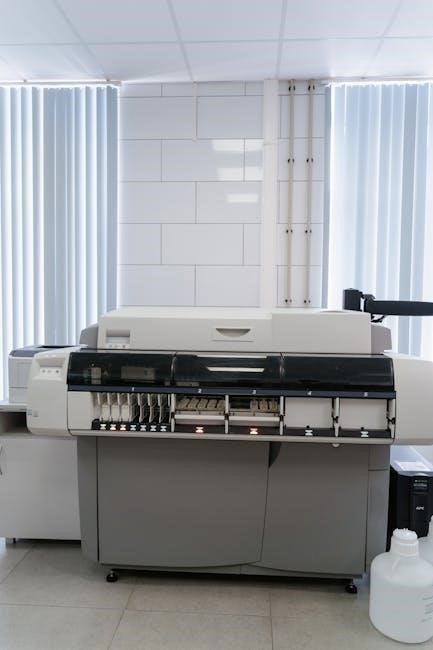
The Siemens Clinitek Status Plus is a fully automated‚ in-vitro diagnostic system designed for semi-quantitative urine analysis․ This analyzer streamlines laboratory workflows by providing rapid and reliable results for a comprehensive panel of urine parameters․
As detailed in the Siemens CLINITEK Status Operators Manual (and referenced in documents like POC․1․0160․0)‚ the system utilizes reagent strip technology to assess key indicators such as glucose‚ ketones‚ bilirubin‚ and pH․
The analyzer’s capabilities extend to LIS integration‚ facilitating seamless data management․ Manuals emphasize proper operation‚ including sample handling and quality control‚ to ensure accuracy․ The Clinitek Status Connect system builds upon this foundation‚ offering enhanced connectivity and data reporting features‚ as outlined in available operators guides․
Purpose of the Manual
The Siemens Clinitek Status Plus Operators Manual (version 13287 and subsequent revisions like Rev․ A of guide 06635252) serves as the primary resource for all personnel operating the instrument․ Its core purpose is to provide detailed instructions for safe and effective use‚ ensuring accurate patient results․
This manual comprehensively covers installation‚ setup‚ operating procedures‚ quality control‚ maintenance‚ and troubleshooting – including addressing error codes like E67/E68․
It’s designed to guide users through every aspect of the system‚ from initial inspection to resolving communication errors with the LIS․ The manual emphasizes adherence to recommended procedures for optimal performance and longevity of the analyzer‚ referencing resources at siemens․com/diagnostics․
Intended Use and Scope
The Siemens Clinitek Status Plus is intended for in vitro diagnostic use in clinical laboratories‚ performing automated urine analysis․ This manual (versions 1․0‚ 13287‚ and guides like 06635252) details the scope of testing‚ including qualitative assessment of glucose‚ ketones‚ bilirubin‚ and other urine parameters․
The system is designed for use by trained laboratory personnel․ The manual’s scope encompasses operation‚ quality control procedures (with frequency guidelines)‚ and maintenance – including cleaning with approved agents like Theracide and Cidex․
It clarifies the system’s capabilities and limitations‚ referencing Siemens resources (siemens․com/diagnostics) and emphasizing proper correlation with manual dipstick methods as per POC․1․0160․0 guidelines․
System Components
The Clinitek Status Plus comprises an analyzer unit‚ reagent packs‚ and quality control materials‚ detailed in the operators manual (13287) and associated guides․
Analyzer Unit and its Features
The Siemens Clinitek Status Plus analyzer unit is a fully automated‚ in-vitro diagnostic system designed for semi-quantitative urine analysis․ As detailed in the operators manual (version 1․0‚ document 13287)‚ the system utilizes reagent strip technology to assess various urine parameters․
Key features include a user-friendly interface‚ integrated quality control capabilities‚ and efficient sample handling․ The unit’s design supports high throughput‚ making it suitable for laboratories with varying testing volumes․ Connectivity options‚ including LIS integration‚ are also highlighted in the documentation․
The manual emphasizes proper operation and maintenance to ensure accurate and reliable results․ It also provides guidance on troubleshooting common issues‚ such as sampling errors (E67/E68 codes)‚ and communication problems․
Reagent Packs and Compatibility
The Siemens Clinitek Status Plus utilizes dedicated reagent packs for urine strip analysis‚ as outlined in the operators manual (document 13287)․ These packs contain pre-defined combinations of reagent test strips‚ ensuring consistent and accurate results․
Compatibility is crucial; only Siemens-approved reagent packs should be used to maintain system performance and validity of results; The manual details specific pack types and their corresponding test parameters (glucose‚ ketones‚ bilirubin‚ etc․)․
Proper storage of reagent packs‚ away from light and moisture‚ is essential for maintaining their integrity․ The documentation also provides guidance on handling and disposal of used reagent packs‚ adhering to safety and environmental regulations․
Quality Control Materials
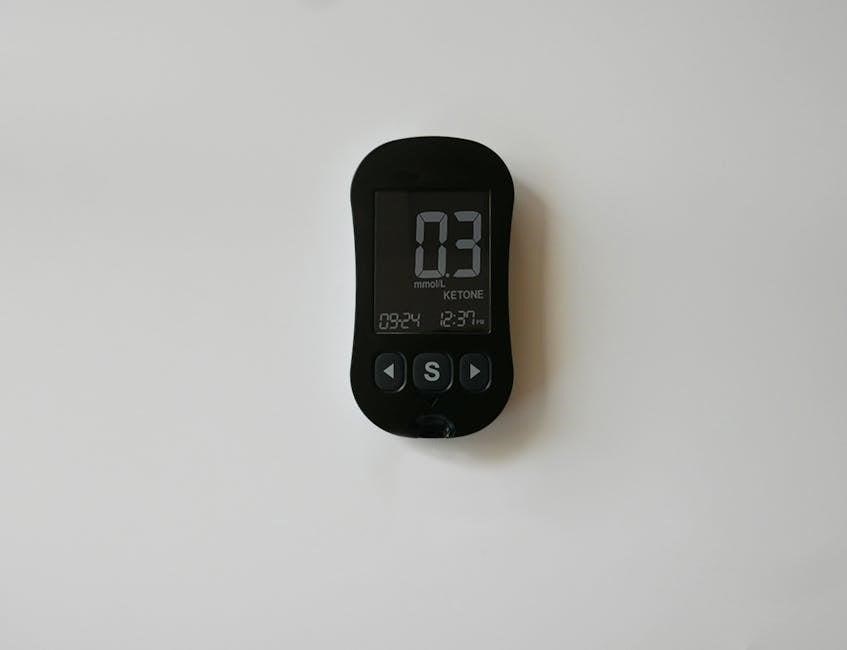
The Siemens Clinitek Status Plus requires regular quality control (QC) testing‚ detailed in the operators manual (version 1․0‚ document 13287)․ Utilizing appropriate QC materials is vital for verifying the accuracy and precision of test results․
These materials‚ available from Siemens and other approved vendors‚ simulate patient urine samples with known analyte concentrations․ The manual specifies acceptable QC ranges and procedures for interpreting results․
Proper storage of QC materials is critical to maintain their stability․ Documentation outlines frequency of QC testing‚ preparation guidelines‚ and corrective actions if QC results fall outside acceptable limits‚ ensuring reliable performance․
Getting Started: Installation and Setup
Initial setup‚ as detailed in the Siemens manual (13287)‚ involves unpacking‚ electrical/plumbing connections‚ and network integration with the LIS system․
Unpacking and Initial Inspection
Upon delivery‚ carefully inspect the Siemens Clinitek Status Plus packaging for any signs of damage during transit․ Refer to the operator’s manual (version 1․0‚ document 13287) for a detailed unpacking checklist․
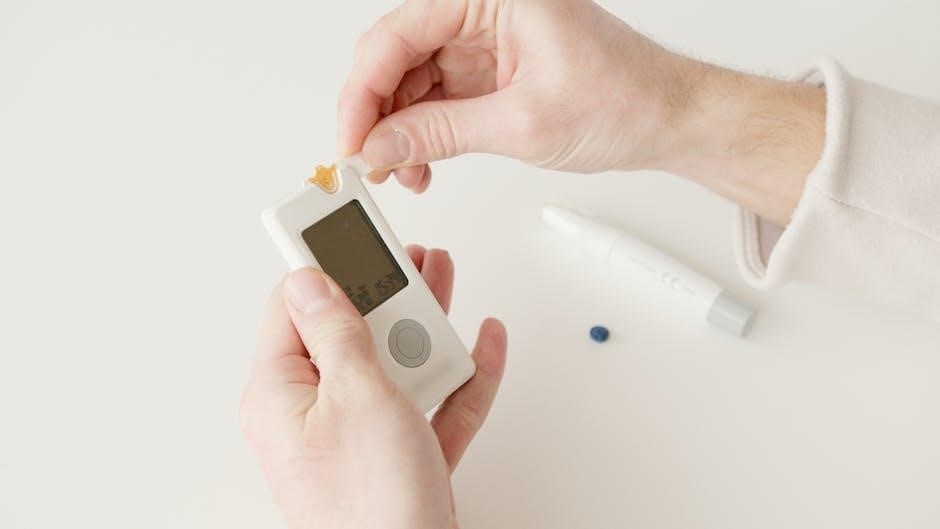
Verify that all components listed on the packing slip are present‚ including the analyzer unit‚ reagent packs‚ quality control materials‚ and necessary accessories․
Document any discrepancies or damage immediately and contact Siemens Healthcare Diagnostics for assistance․
Before proceeding with installation‚ ensure the instrument is free from shipping debris and that all protective coverings have been removed․ A thorough initial inspection is vital for optimal performance and to validate the warranty․
Electrical and Plumbing Requirements
Proper installation necessitates adherence to specific electrical and plumbing guidelines detailed in the Siemens Clinitek Status Plus operator’s manual (document 13287)․ The instrument requires a dedicated grounded electrical outlet‚ meeting specified voltage and amperage requirements – consult the technical specifications section․
A reliable water source is essential for operation; ensure appropriate plumbing connections are available‚ adhering to local regulations․
Verify water quality meets the instrument’s specifications to prevent damage or inaccurate results․
Confirm the facility’s electrical and plumbing infrastructure aligns with the instrument’s needs before installation to avoid operational issues and maintain warranty validity․
Network Connectivity and LIS Integration
Seamless data transfer is achieved through network connectivity and Laboratory Information System (LIS) integration‚ as outlined in the Siemens Clinitek Status Plus operator’s manual․ The instrument supports various communication protocols for efficient data exchange․
Proper configuration of network settings is crucial for reliable communication with the LIS․
Troubleshooting communication errors‚ such as those encountered during LIS integration‚ is addressed in the manual‚ including verifying printer and host computer connections․
Ensure compatibility between the instrument and the LIS to optimize workflow and minimize manual data entry‚ enhancing laboratory efficiency․
Operating Procedures
The Clinitek Status Plus requires careful adherence to outlined procedures‚ detailed in the operator’s manual (13287)‚ for accurate testing and reliable results․
Powering On and System Initialization
Initial system startup‚ as detailed in the Siemens Clinitek Status Plus operator’s manual‚ involves verifying proper electrical and network connections before powering on the analyzer unit․
Upon activation‚ the system undergoes a self-test sequence‚ checking critical components and reagent pack status․
The manual (version 1․0‚ 13287) emphasizes confirming the display panel illuminates and the system prompts for necessary information‚ such as date and time settings․
Successful initialization is indicated by a “Ready” status‚ allowing for subsequent test procedures․
Troubleshooting potential issues during startup‚ like communication errors with the LIS‚ is also addressed within the comprehensive documentation available on Siemens’ website (siemens․com/diagnostics)․
Running a Urine Analysis Test
Executing a urine analysis with the Siemens Clinitek Status Plus‚ as outlined in the operator’s manual (13287)‚ begins with proper sample handling and loading into the designated cassette․
The system automatically analyzes parameters like glucose‚ ketones‚ bilirubin‚ and pH‚ displaying results on the integrated screen․
The manual details the importance of using appropriate quality control materials to validate test accuracy and ensure reliable patient data․
Referencing the Siemens documentation (siemens․com/diagnostics) is crucial for understanding result interpretation and addressing potential error messages‚ such as sampling errors (E67/E68)․
Proper adherence to the outlined procedures guarantees consistent and dependable urine analysis results․
Sample Handling and Loading
Proper sample handling is paramount when utilizing the Siemens Clinitek Status Plus‚ as detailed in the operator’s manual (version 1․0‚ 13287)․ Samples must be collected in clean‚ compatible containers to avoid contamination and ensure accurate results․
The manual emphasizes careful loading of the sample cassette into the analyzer‚ noting potential sampling errors (E67/E68) if not performed correctly․
Barcode scanning‚ if integrated with the LIS‚ streamlines sample identification and reduces manual input errors․
Refer to Siemens documentation (siemens․com/diagnostics) for specific guidelines on sample storage and preparation‚ maximizing the reliability of the analysis․
Following these procedures guarantees optimal performance and minimizes the risk of inaccurate readings․
Quality Control Procedures
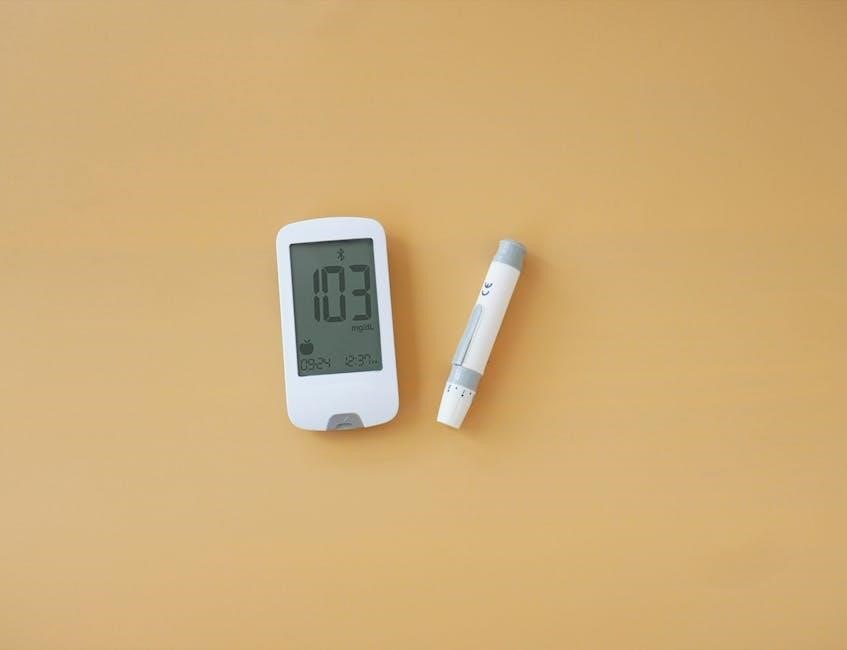
Regular QC testing‚ as outlined in the Siemens Clinitek Status Plus manual (13287)‚ is vital for ensuring accuracy and reliability of results․
Proper preparation‚ storage‚ and interpretation of QC materials are essential․
Frequency of Quality Control Testing
The Siemens Clinitek Status Plus manual details specific quality control (QC) testing frequencies to maintain reliable performance․ Generally‚ QC should be performed each day patient samples are analyzed‚ and whenever reagent packs are changed․
Furthermore‚ QC testing is crucial after any instrument maintenance or troubleshooting procedures‚ including addressing error codes like E67 or E68․
The manual may also recommend QC testing after calibration or if there are concerns about the accuracy of results․
Following these guidelines‚ as documented in version 1․0 (POC․1․0160․0‚ 13287)‚ ensures consistent and dependable urine analysis data․
QC Material Preparation and Storage
The Siemens Clinitek Status Plus manual provides detailed instructions for preparing and storing quality control (QC) materials․ Typically‚ QC materials are supplied in liquid or lyophilized form‚ requiring reconstitution according to the manufacturer’s guidelines․
Proper storage is critical; unopened QC materials should be stored at the temperature specified on the packaging‚ often 2-8°C․
Once opened or reconstituted‚ QC materials have a limited stability period‚ as outlined in the manual (version 1․0‚ 13287)․
Careful adherence to these preparation and storage guidelines ensures the accuracy and reliability of QC results․
Interpreting QC Results
The Siemens Clinitek Status Plus manual details how to interpret quality control (QC) results‚ emphasizing the use of control charts and established QC rules․ QC results are compared to assigned values and acceptable ranges provided with the QC material․
Results falling outside these ranges indicate a potential issue with the analyzer‚ reagents‚ or QC material itself․
The manual (version 1․0‚ 13287) outlines specific corrective actions to take‚ such as repeating the QC test‚ recalibrating the instrument‚ or contacting Siemens support․
Consistent monitoring and accurate interpretation of QC data are vital for ensuring reliable patient results․
Maintenance and Cleaning
Regular maintenance‚ as outlined in the Siemens Clinitek Status Plus operators manual‚ is crucial for optimal performance and longevity․
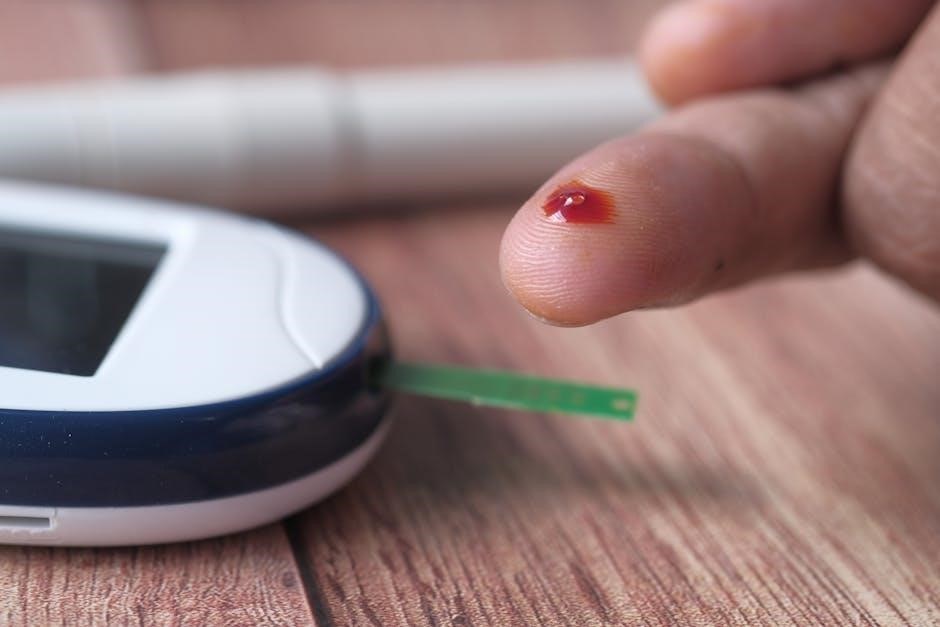
Daily tasks and periodic cleaning‚ using approved disinfectants like Cidex or Theracide‚ are essential․
Daily Maintenance Tasks

Consistent daily maintenance is paramount for ensuring the Siemens Clinitek Status Plus operates reliably and delivers accurate results․ The operators manual details several key procedures․
These include visually inspecting the system for any leaks or damage‚ verifying reagent pack levels‚ and confirming proper waste container functionality․
Wiping down the exterior surfaces with a damp cloth‚ utilizing approved cleaning agents‚ prevents the buildup of contaminants․
Furthermore‚ checking the printer functionality and ensuring adequate paper supply are vital for uninterrupted operation․
Reviewing the system log for any error messages or warnings allows for proactive issue resolution‚ minimizing downtime and maintaining optimal performance․
Following these simple steps daily contributes significantly to the instrument’s overall health and longevity․
Periodic Cleaning Procedures
Beyond daily tasks‚ the Siemens Clinitek Status Plus requires periodic‚ more thorough cleaning as outlined in the operator’s manual․ This involves disinfecting the sample probe and flow cell to prevent cross-contamination and ensure accurate readings․
Approved disinfectants‚ like Cidex or Theracide‚ should be used according to manufacturer’s instructions‚ ensuring proper contact time and rinsing․
The waste system also necessitates regular flushing and cleaning to prevent blockages and maintain efficient operation․
Additionally‚ the optical components may require gentle cleaning with Kimwipes to remove dust or residue‚ preserving signal clarity․
Documenting these cleaning procedures is crucial for quality control and traceability․
Adhering to the recommended cleaning schedule extends the instrument’s lifespan and maintains optimal performance․
Disinfecting the System
Effective disinfection of the Siemens Clinitek Status Plus is paramount to prevent the spread of infectious agents‚ detailed within the operator’s manual․ Utilize approved disinfectants – Cidex‚ Theracide‚ or Amphyl – following their respective safety data sheets and contact times․
Focus on areas prone to contamination: the sample probe‚ flow cell‚ and exterior surfaces․
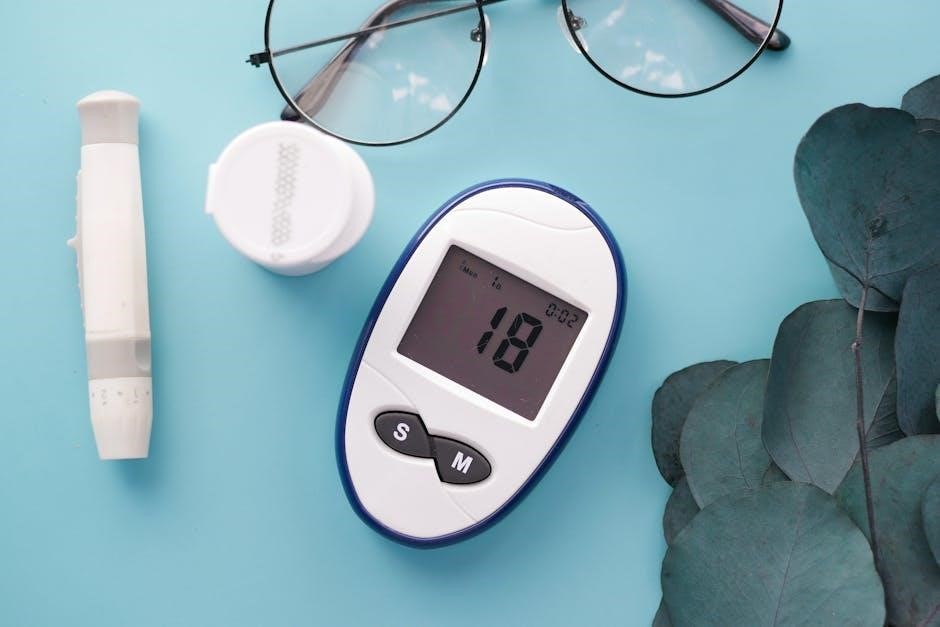
Ensure thorough rinsing with distilled or deionized water after disinfectant application to avoid interference with subsequent analyses․
Always wear appropriate personal protective equipment (PPE) during disinfection procedures․
Regular disinfection‚ alongside periodic cleaning‚ safeguards both personnel and the integrity of test results․
Proper documentation of disinfection events is essential for maintaining laboratory compliance and quality control․
Troubleshooting Common Errors
The Siemens Clinitek Status Plus manual details error resolution‚ including sampling issues (E67/E68 codes) and LIS communication problems‚ for optimal performance․
Error Code E67/E68: Sampling Errors
Error codes E67 or E68‚ as detailed in the Siemens CLINITEK Status operators manual (available on ManualsLib)‚ indicate a potential sample flow issue within the cassette test strip․
This suggests a problem with the aspiration or detection of the urine sample during analysis․ The manual instructs users to investigate potential causes‚ such as obstructions in the sample path or issues with the cassette itself․
Troubleshooting steps involve verifying proper cassette installation‚ checking for air bubbles in the system‚ and ensuring the sample is correctly loaded․
If the error persists‚ the manual recommends contacting Siemens support or replacing the cassette to restore accurate testing capabilities․
Communication Errors with LIS
Communication failures between the Siemens Clinitek Status Plus and the Laboratory Information System (LIS) are addressed in the operator’s manual‚ accessible via ManualsLib and Siemens’ website (siemens․com/diagnostics)․
These errors often stem from connectivity issues – verifying the printer and host computer/LIS are powered on is a primary step․ The manual emphasizes checking network connections and ensuring proper configuration of communication protocols․
Troubleshooting includes confirming the correct interface settings and verifying that the LIS is receiving data correctly․
If problems continue‚ consulting the manual’s dedicated section on LIS integration or contacting Siemens support is recommended for resolution․
Reagent Pack Errors
Reagent pack issues on the Siemens Clinitek Status Plus are thoroughly covered in the operator’s manual (version 1․0‚ 13287)‚ available on platforms like ManualsLib and the Siemens website (siemens․com/diagnostics)․
Errors can indicate incorrect pack installation‚ expiration‚ or incompatibility․ The manual details proper reagent handling‚ storage‚ and compatibility guidelines․
Troubleshooting steps involve verifying the pack is securely seated‚ checking the expiration date‚ and confirming it’s the correct type for the intended tests․
If errors persist‚ the manual advises contacting Siemens support for assistance‚ potentially requiring pack replacement or system recalibration․
Technical Specifications
The Clinitek Status Plus‚ detailed in its operator’s manual (13287)‚ offers robust performance with specific dimensions‚ weight‚ and electrical requirements for lab integration․
Performance Characteristics
The Siemens Clinitek Status Plus demonstrates high analytical performance‚ as outlined in the operator’s manual and correlated with Atlas and manual dipstick methods (POC․1․0160․0 version 1․0)․
It accurately assesses urine parameters including glucose‚ ketones‚ and bilirubin‚ providing qualitative results crucial for clinical diagnosis․
The system’s capabilities are detailed in guides like the 2007 Advantus manual (06635252)‚ emphasizing consistent and reliable testing․
Proper operation‚ guided by the manual‚ ensures optimal performance and minimizes errors‚ supporting efficient laboratory workflows and accurate patient care․
Regular quality control‚ as described in the documentation‚ further validates these performance characteristics․
Physical Dimensions and Weight
The Siemens Clinitek Status Plus is designed for efficient laboratory integration‚ with specific physical characteristics detailed in the operator’s manual (13287)․
While precise dimensions and weight aren’t explicitly stated in the provided excerpts‚ the manual would contain this crucial information for installation planning․
Considerations for placement include adequate space for reagent packs‚ sample handling‚ and printer/LIS connectivity‚ as highlighted in troubleshooting guides․
Operators should consult the full manual for exact specifications to ensure proper ventilation and accessibility for maintenance‚ cleaning‚ and disinfection procedures․
These details are vital for safe and effective operation within the laboratory environment․
Electrical Requirements
The Siemens Clinitek Status Plus necessitates specific electrical configurations for optimal performance‚ comprehensively outlined within the operator’s manual (version 1․0‚ document 13287)․
Although the provided excerpts don’t detail voltage or amperage‚ the manual is the definitive source for this critical information․
Proper electrical grounding is essential for safety and accurate results‚ alongside considerations for dedicated circuits to prevent interference․
Ensure compatibility with local electrical codes and regulations during installation‚ referencing the manual for detailed specifications․
Correct electrical setup is paramount for reliable operation and preventing system errors‚ as detailed in troubleshooting guides․
